Opening coronary arteries that have gradually narrowed and become completely blocked, through angiography using specialized wires and catheters.
- The problemA totally blocked artery can cause chest pain, heart failure and heart attack
- The methodThrough angiography, with specialized wires, catheters and devices
- WhereMedical Point Gaziantep Hospital
What is a totally blocked artery?
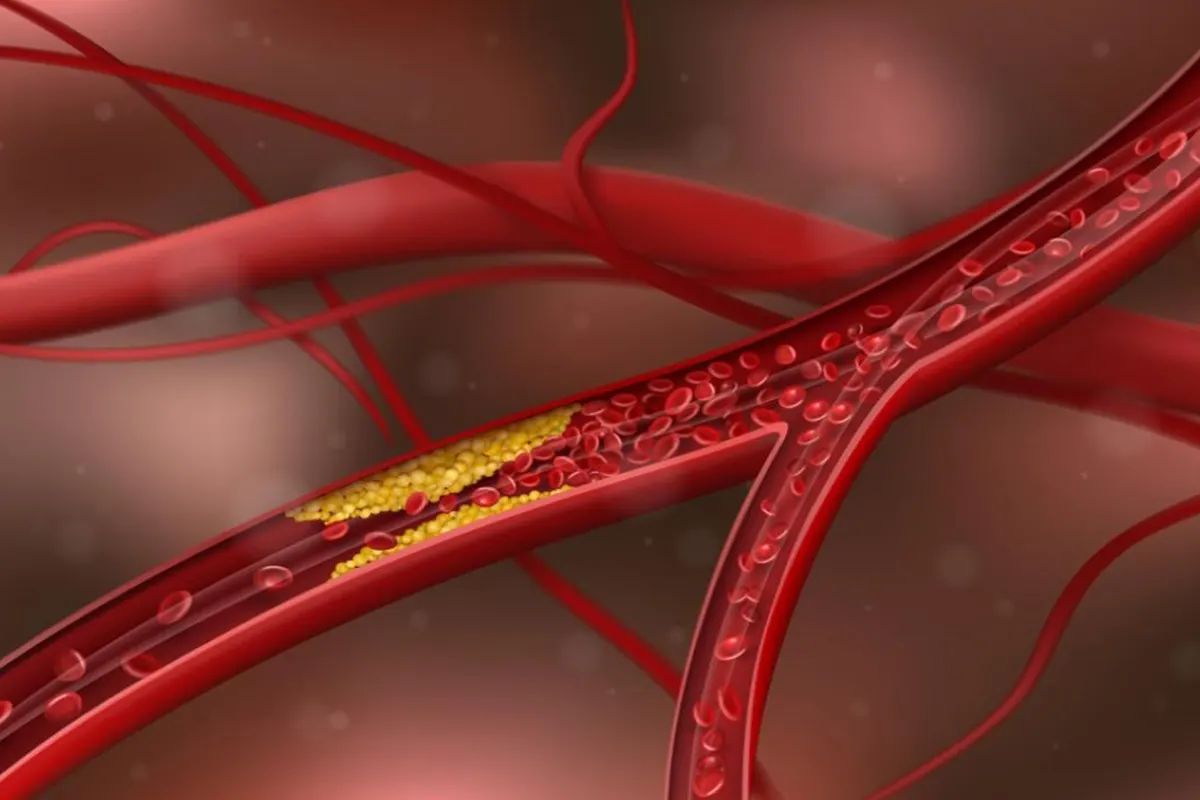
Some of the coronary arteries that supply the heart narrow slowly and eventually become completely blocked. Meanwhile, small collateral vessels develop gradually and keep the heart muscle alive.
However, these small vessels are not enough to supply the heart, and the patient may develop chest pain, heart failure and heart attack. This shortens the patient’s life.
How is it opened?
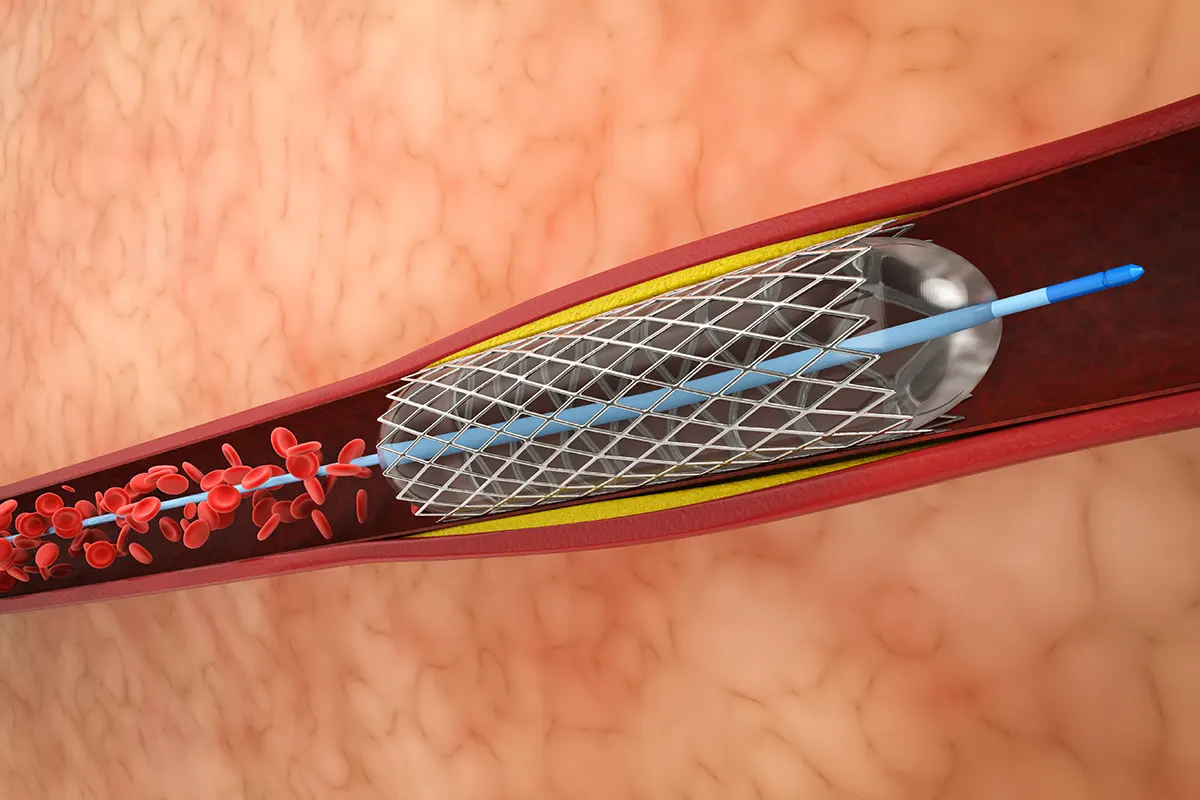
Because these totally blocked arteries are very hard and calcified, they are difficult to open and were long considered untreatable. However, specialized wires, catheters, devices and techniques developed in recent years have made it possible to open them through angiography.
Why does experience matter?
Because this procedure, known as opening totally blocked arteries (chronic total occlusion – CTO), requires special equipment and techniques, and carries a higher risk than standard procedures, it should be performed by experienced hands at experienced centers.
Case example: blocked right coronary artery
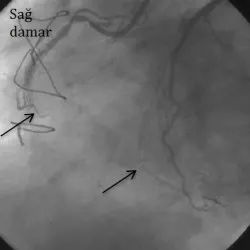
1 In a patient who previously had bypass surgery, the bypass graft taken from the leg and connected to the right coronary artery has become blocked. The right coronary artery is totally blocked from its middle section (arrow 1) to its far end (arrow 2); the far end fills faintly from the left coronary artery through collateral vessels. 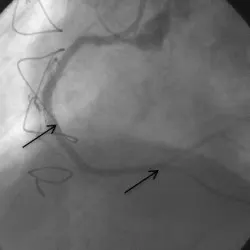
2 The patient’s right coronary artery was opened with the CTO technique, approaching it in reverse from the left coronary artery through the collateral vessels using special microcatheters and wires, and a stent was placed between the two arrows.
What Is CTO?
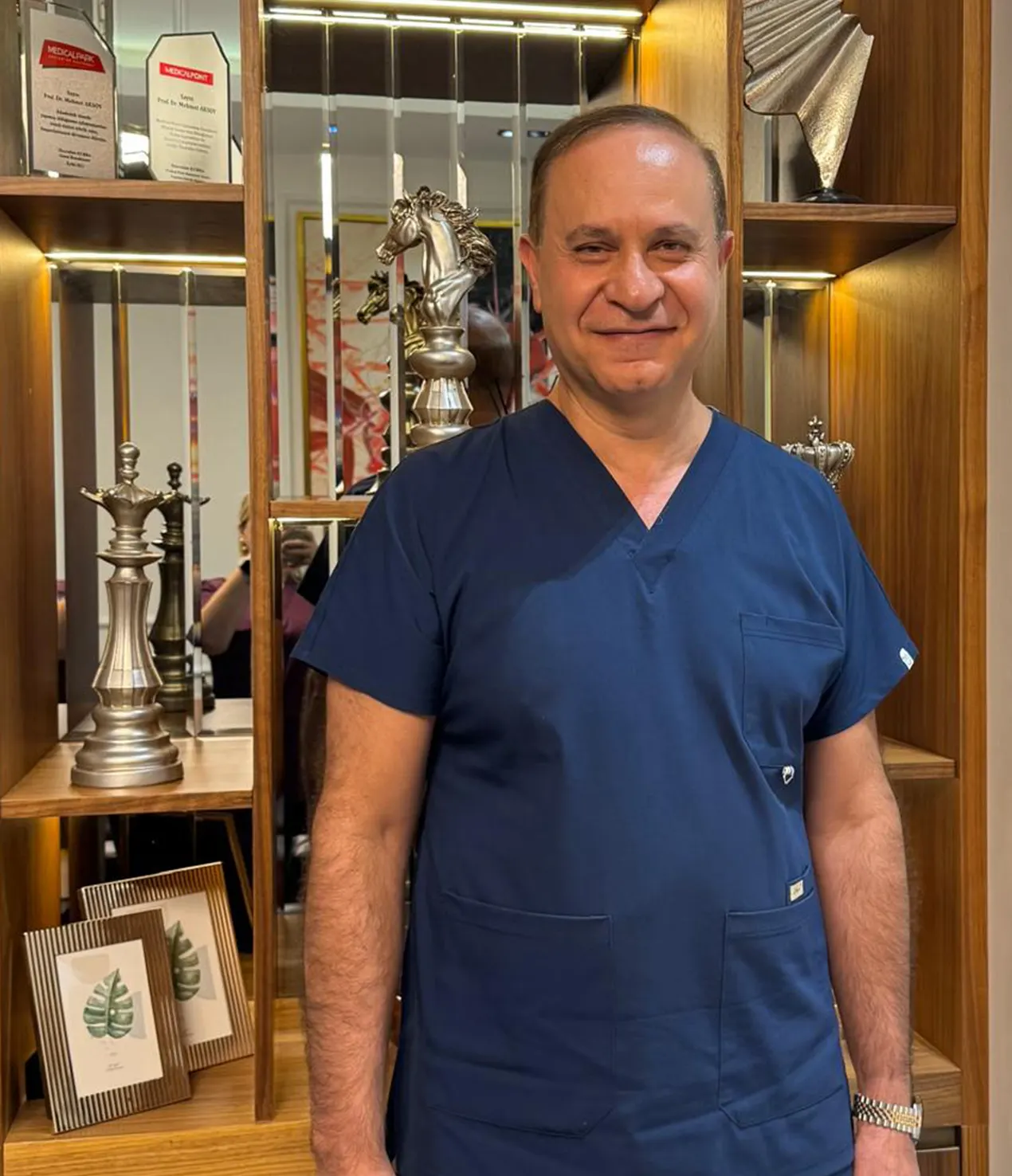
Prof. Dr. Mehmet Aksoy took part in founding the Department of Cardiology at Gaziantep University in 2000 and served as its Head; today he performs angiography and interventional procedures at Medical Point Gaziantep Hospital.
Biography