Angiography, which gives the definitive diagnosis of coronary artery disease, performed through the wrist artery instead of the groin.
- DischargeMove freely once the tube is removed; you can go home 2 hours later
- ComfortNo need to lie on your back under a sandbag for 4-6 hours
- SafetyComplications such as bleeding and dilation of the artery are less common
What is angiography?
Angiography is the most important diagnostic tool for definitively diagnosing coronary (heart artery) disease and showing what kind of treatment is needed.
How is it done?
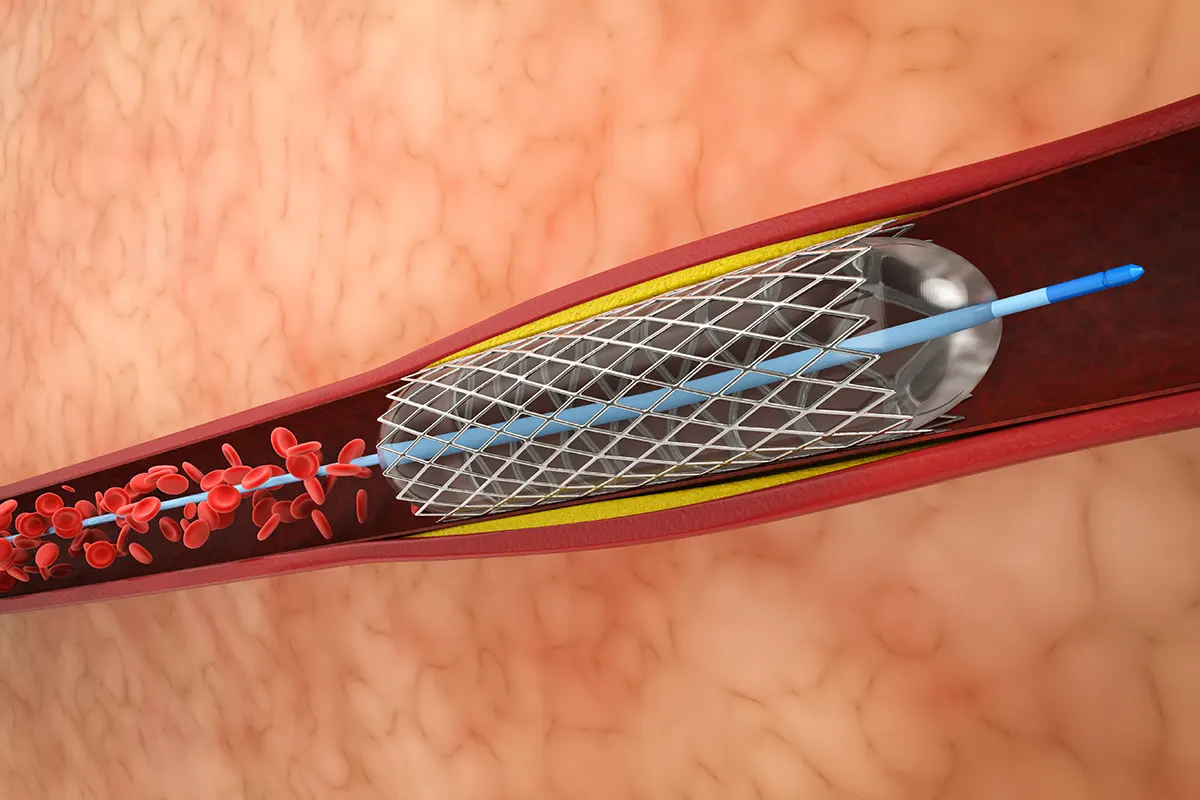
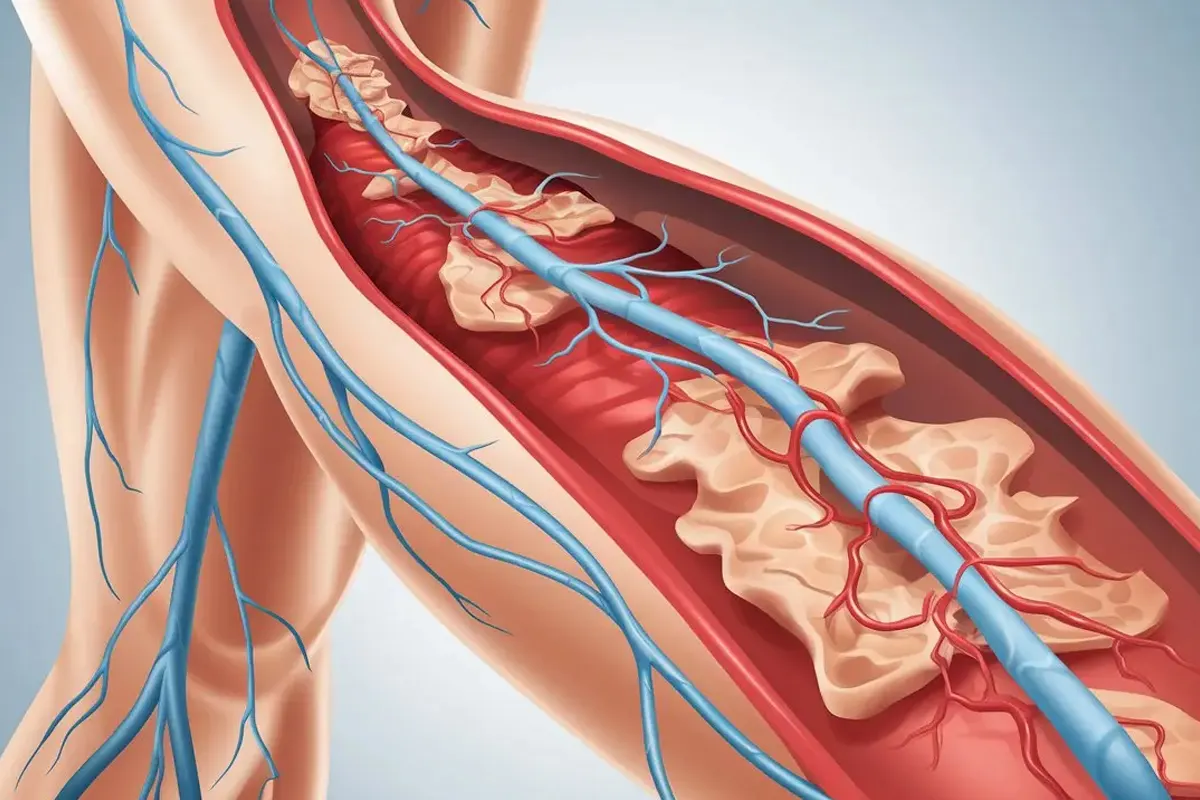
Thin plastic tubes called catheters are inserted into an artery in the groin or wrist and advanced up to the heart under X-ray guidance. The catheter is positioned at the opening of the coronary artery, contrast dye is injected through it, and images of the coronary arteries are taken from different angles.
What does angiography show?
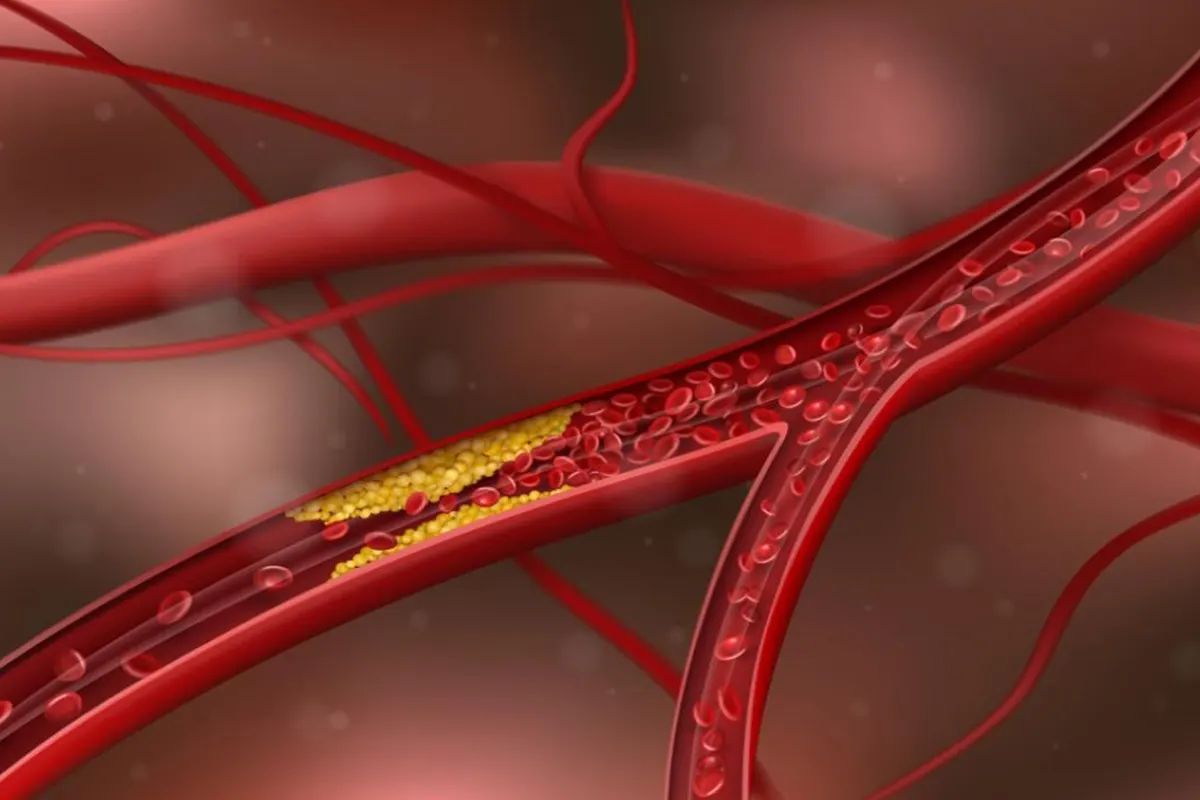
Angiography performed in this way shows whether there is a narrowing in the coronary arteries and, if so, its severity, the number of narrowings and how widespread they are. If there is no narrowing, coronary artery disease is ruled out. If there is, the most suitable treatment (medication, balloon and stent, or bypass surgery) is decided based on the images.
Advantages of angiography via the wrist
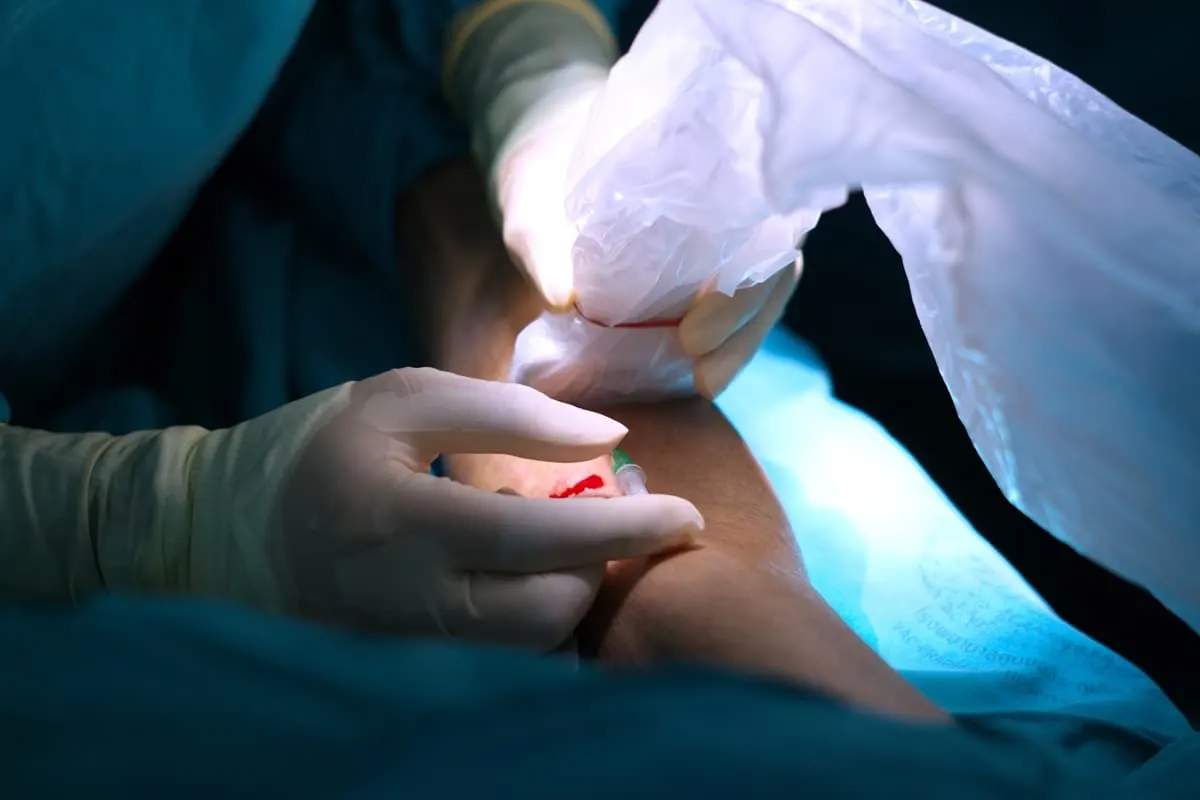
For many years angiography was performed through the artery in the groin. In recent years, however, angiography through the wrist artery has become increasingly common. Comparing the two, angiography via the wrist is usually easier and more comfortable for the patient.
There are none of the problems seen with the groin approach, such as lying on your back in bed under a sandbag for 4-6 hours or difficulty using the toilet. Once the tube in the wrist is removed, the patient can move freely and can be discharged 2 hours later.
The complication rate is also lower with angiography via the wrist. Complications that can occur with groin angiography, such as bleeding and dilation of the artery, are less common.
Why does experience matter?
Angiography via the wrist is somewhat more challenging for the physician and requires experience. It should therefore be performed by experienced hands at experienced centers.
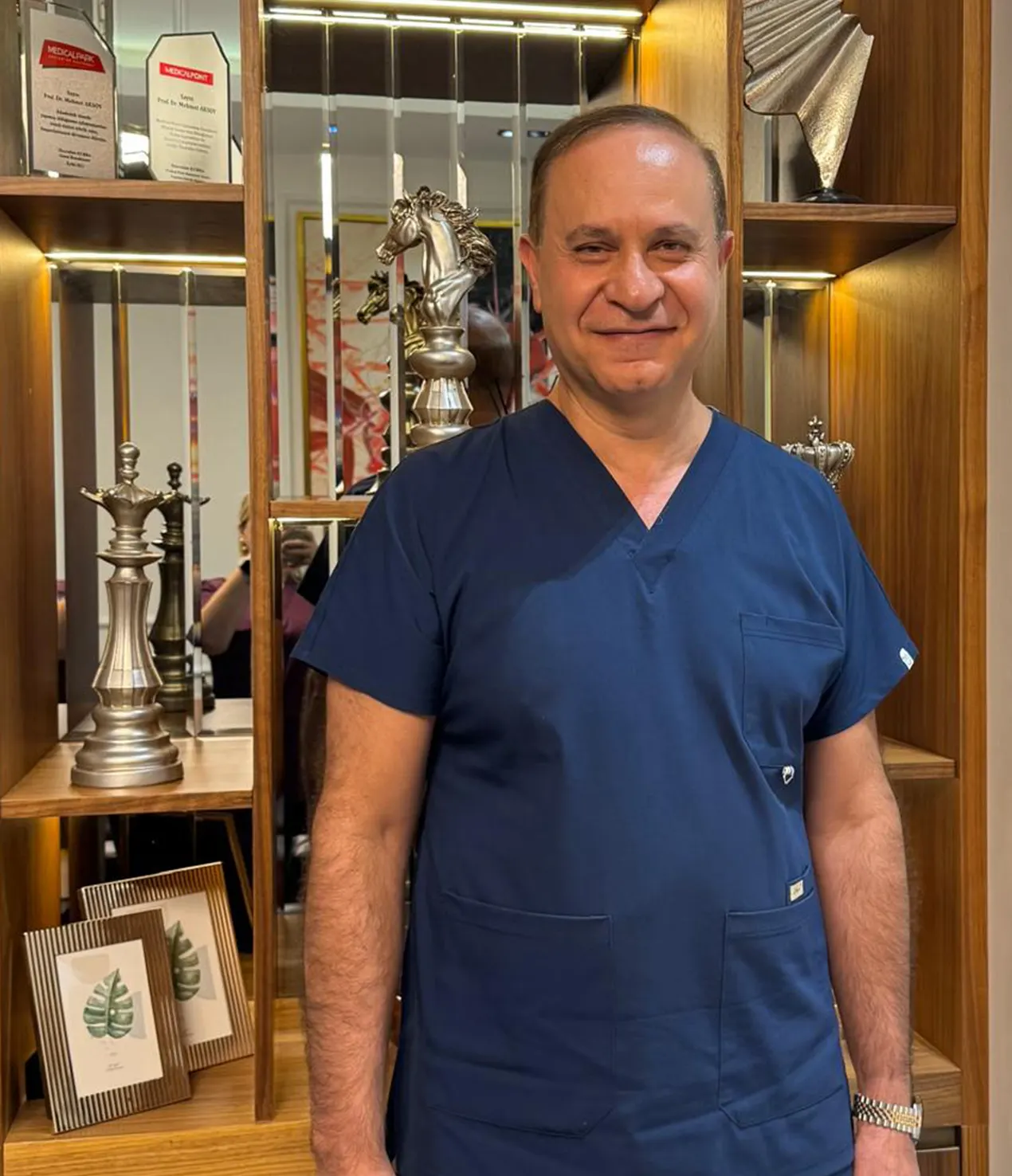
Prof. Dr. Mehmet Aksoy took part in founding the Department of Cardiology at Gaziantep University in 2000 and served as its Head; today he performs angiography and interventional procedures at Medical Point Gaziantep Hospital.
Biography