
The EPS test to find the source of palpitations, and catheter treatment of rhythm disorders (ablation).
- DiagnosisEPS: a catheter is guided into the heart to detect whether a rhythm disorder is present and what type it is
- TreatmentAblation: burning with radiofrequency energy or freezing with cryoenergy
- WhereMedical Point Gaziantep Hospital
Is every palpitation a sign of heart disease?
There are two kinds of palpitations. The first is physiological palpitation: for example, with stress, excitement, panic, exertion, anemia or goiter (thyroid disease), the heart speeds up and you feel palpitations. This kind of palpitation is not caused by heart disease.
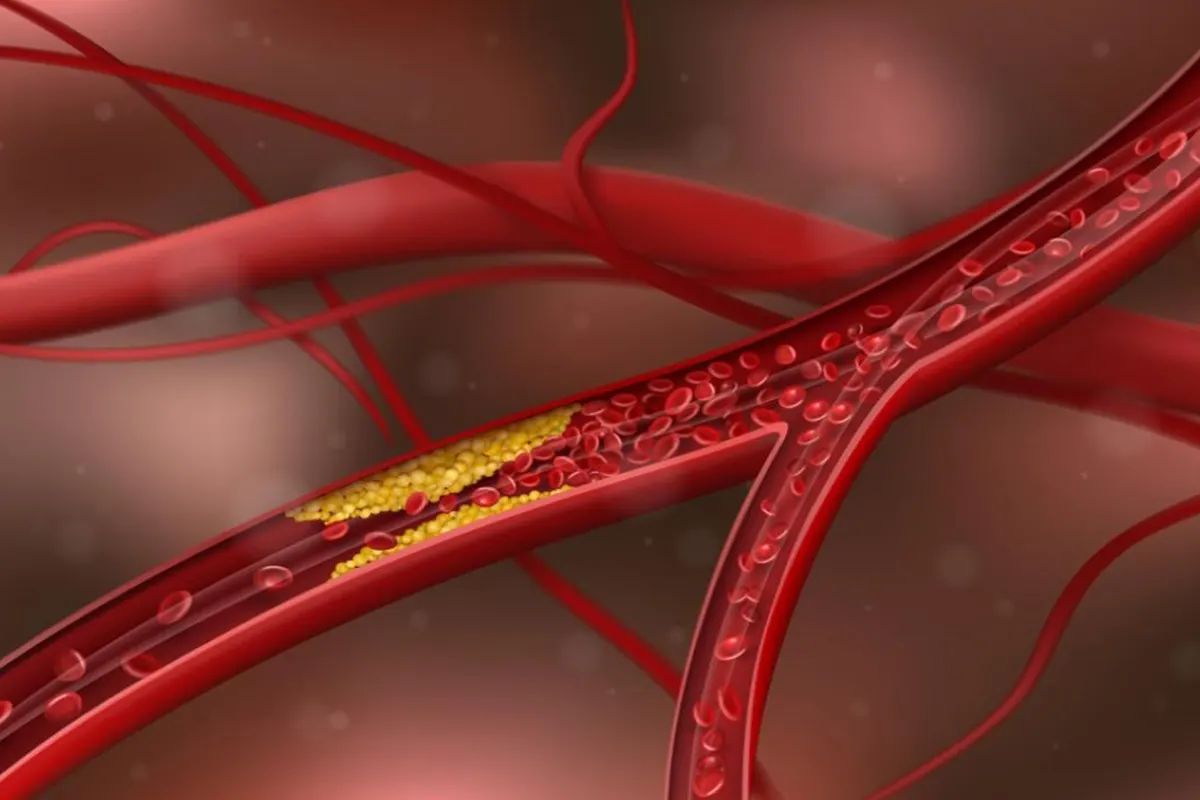
The second is palpitation caused by a problem in the heart itself, which we call a rhythm disorder (arrhythmia); it usually starts and stops suddenly, and here there is heart disease. These rhythm disorders are numerous and varied. Some can even be life-threatening. Treatment depends on the type of rhythm disorder.
Diagnosis with EPS
In patients with palpitations, it is first necessary to determine whether the palpitation is physiological or a rhythm disorder coming from the heart, and if it is a rhythm disorder, which one.
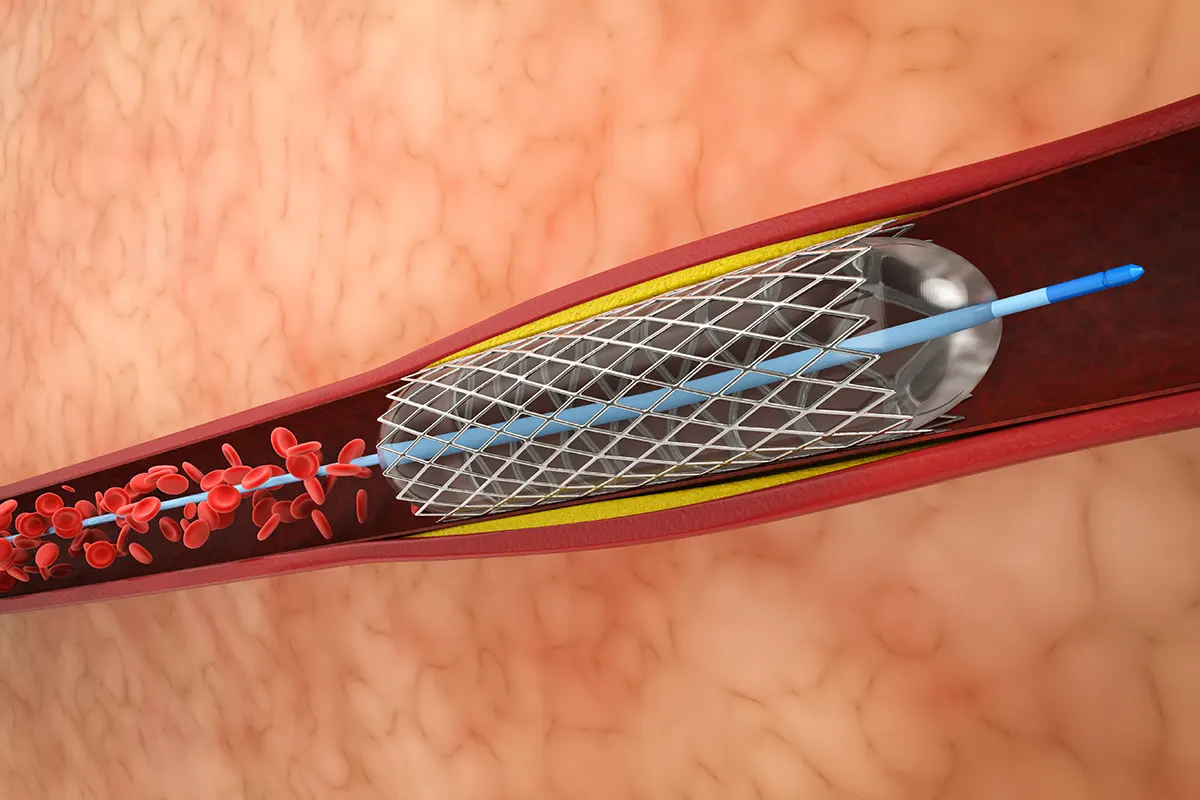
For this, a procedure called EPS (electrophysiology study) is performed. Under the angiography system, a catheter is passed from the groin into the heart, and with the help of the EPS device the presence and type of rhythm disorder are determined.
Treatment with ablation
A large proportion of rhythm disorders can likewise be treated through a catheter (ablation: burning or freezing). The source of the rhythm disorder, located by EPS, is eliminated by burning it with radiofrequency energy or freezing it with cryoenergy delivered from outside the body.

Prof. Dr. Mehmet Aksoy took part in founding the Department of Cardiology at Gaziantep University in 2000 and served as its Head; today he performs angiography and interventional procedures at Medical Point Gaziantep Hospital.
Biography