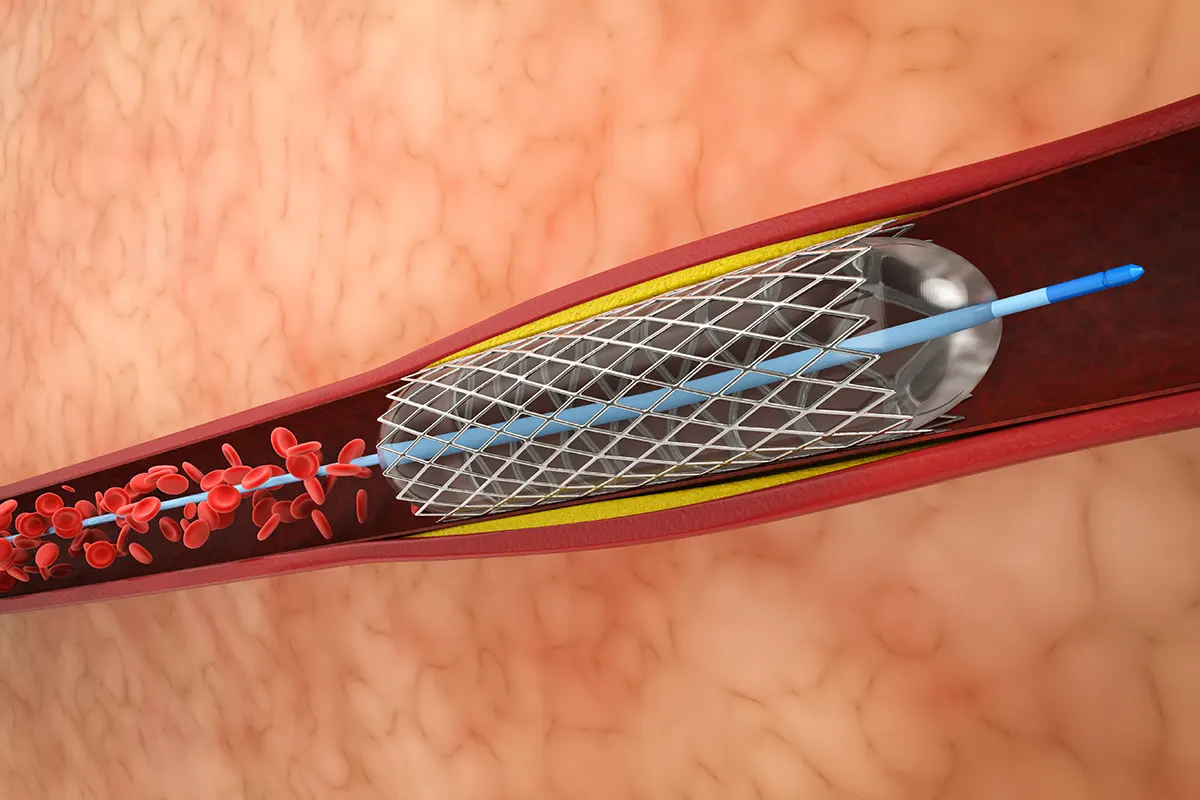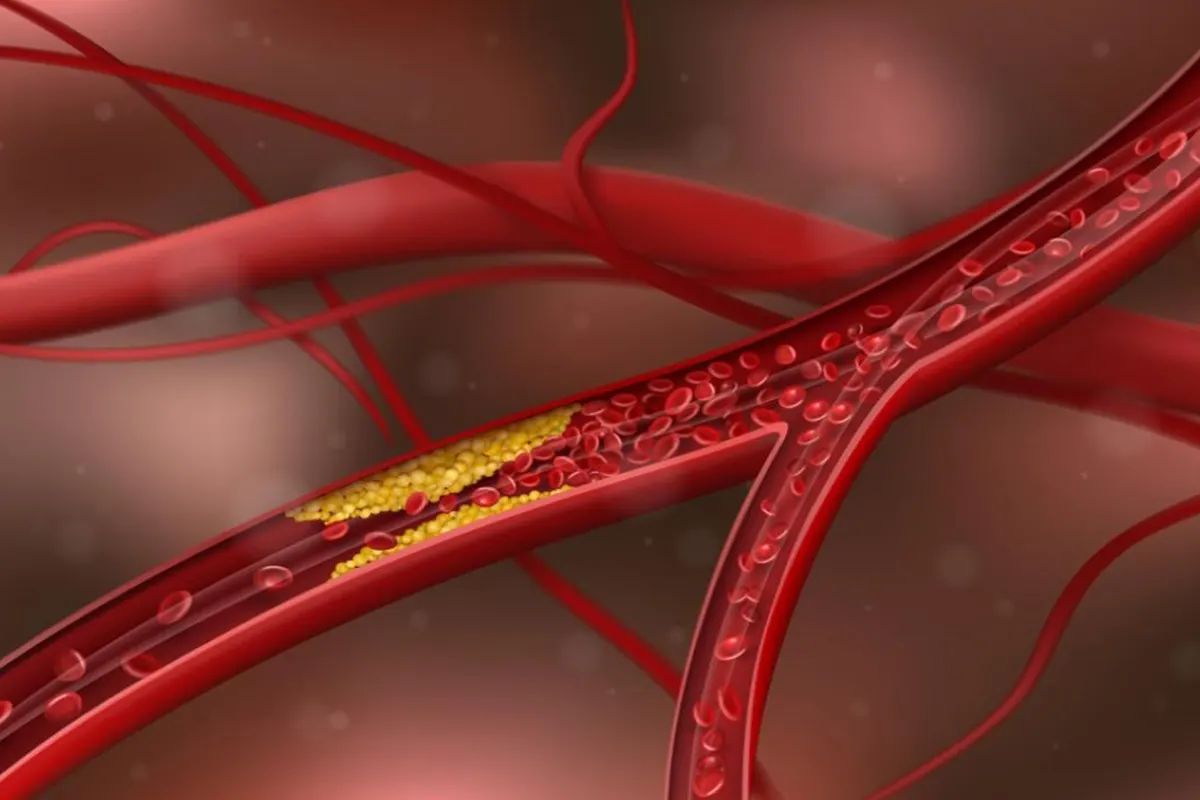
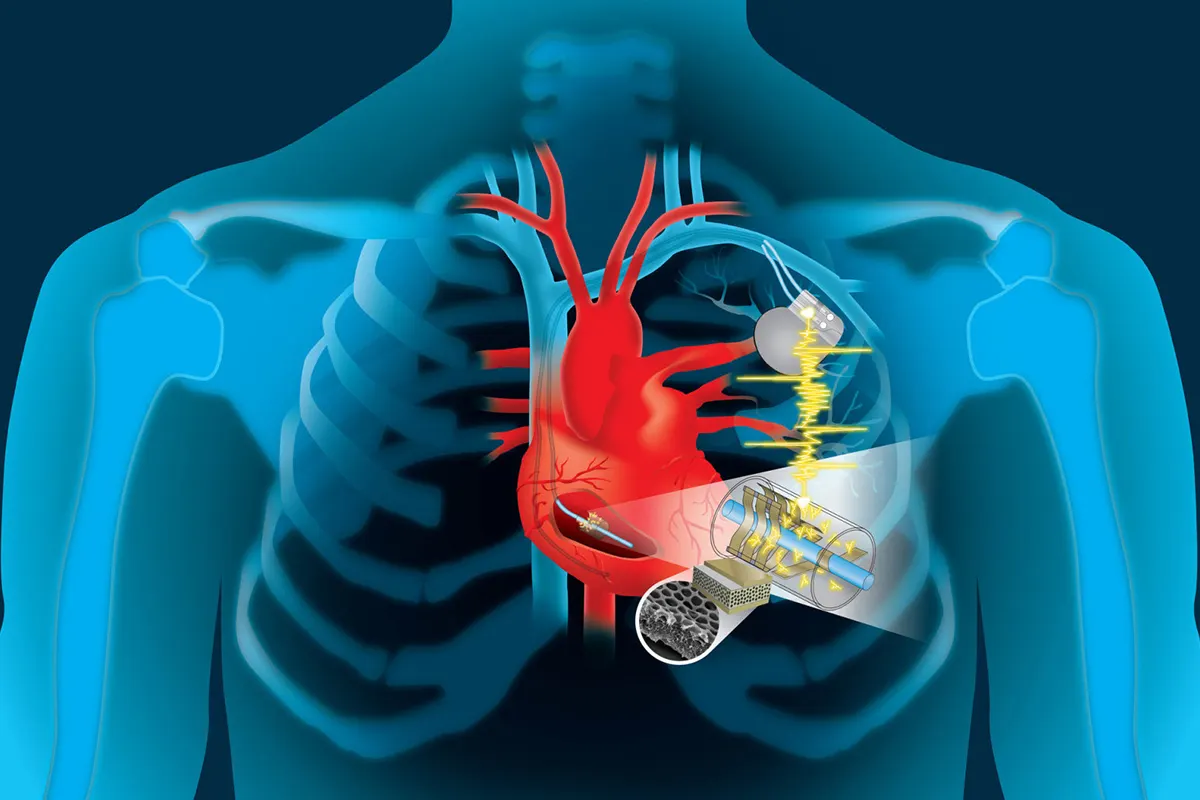
Pacemaker implantation for conduction problems that slow the pulse, and in some patients with heart failure.
- AnesthesiaUnder local anesthesia, without putting the patient to sleep
- PlacementUsually under the skin of the upper left chest
- DischargeWithin 1-2 days
Why is a pacemaker needed?
The heart beats a certain number of times per minute thanks to electrical impulses that arise in an area called the sinus node and are carried to the rest of the heart along electrical pathways.
Disease of the sinus node or a fault in the conduction pathway lowers the number of heartbeats per minute and slows the pulse, which leads to tiring easily, shortness of breath or fainting. The only treatment for this condition is implanting a single- or dual-chamber permanent pacemaker.
Types of pacemaker: CRT and ICD
Some patients with heart failure have a loss of synchrony in how the heart contracts, which weakens the heart’s pumping power even further. In these patients, a special device called CRT is implanted to increase the heart’s pumping power.
Likewise, some patients with heart failure are prone to sudden, life-threatening rhythm disorders. In these patients, an ICD is implanted, which can deliver a shock to treat the rhythm disorder when it occurs.
How is it implanted?
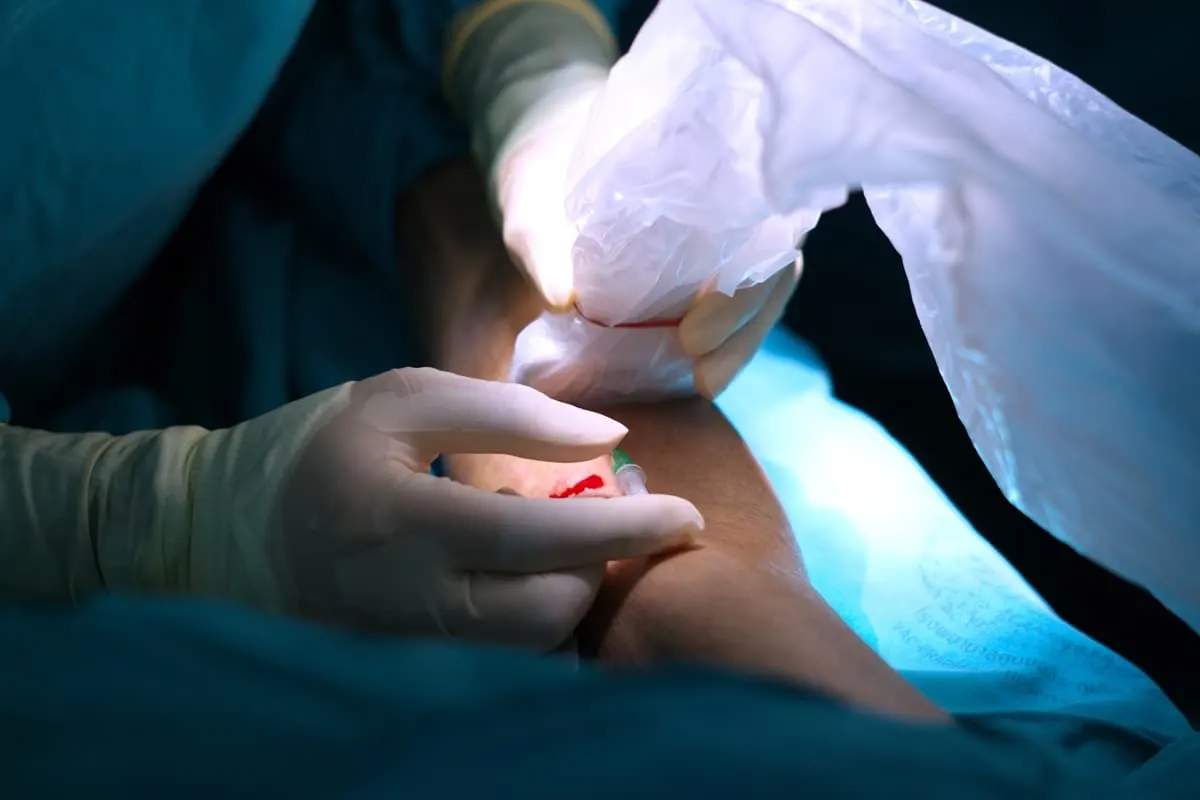
Pacemakers are implanted in the angiography lab under local anesthesia, without putting the patient to sleep, usually under the skin of the upper left chest. The patient is discharged within 1-2 days.
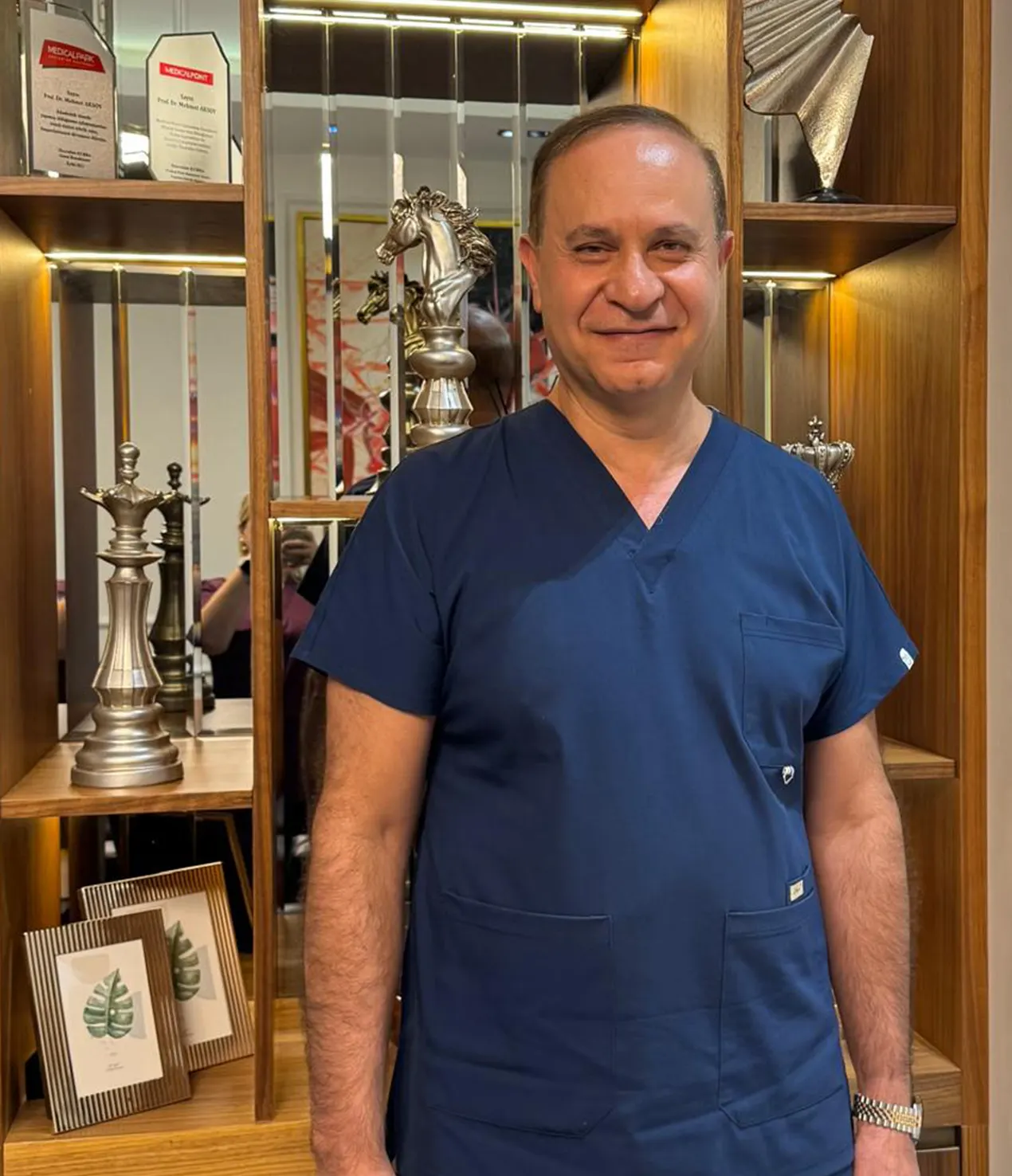
Prof. Dr. Mehmet Aksoy took part in founding the Department of Cardiology at Gaziantep University in 2000 and served as its Head; today he performs angiography and interventional procedures at Medical Point Gaziantep Hospital.
Biography